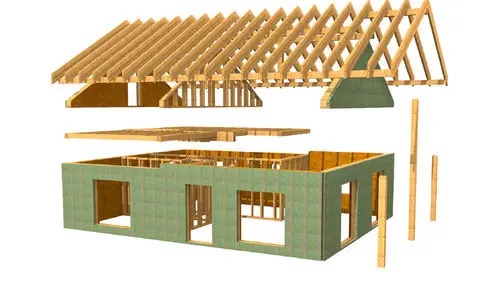
Scandinavian vs Polish technology — differences in timber frame houses
5 key differences between Scandinavian and Polish timber frame standards — insulation thickness, vapour barrier, installation grid, KVH timber, humidity control.
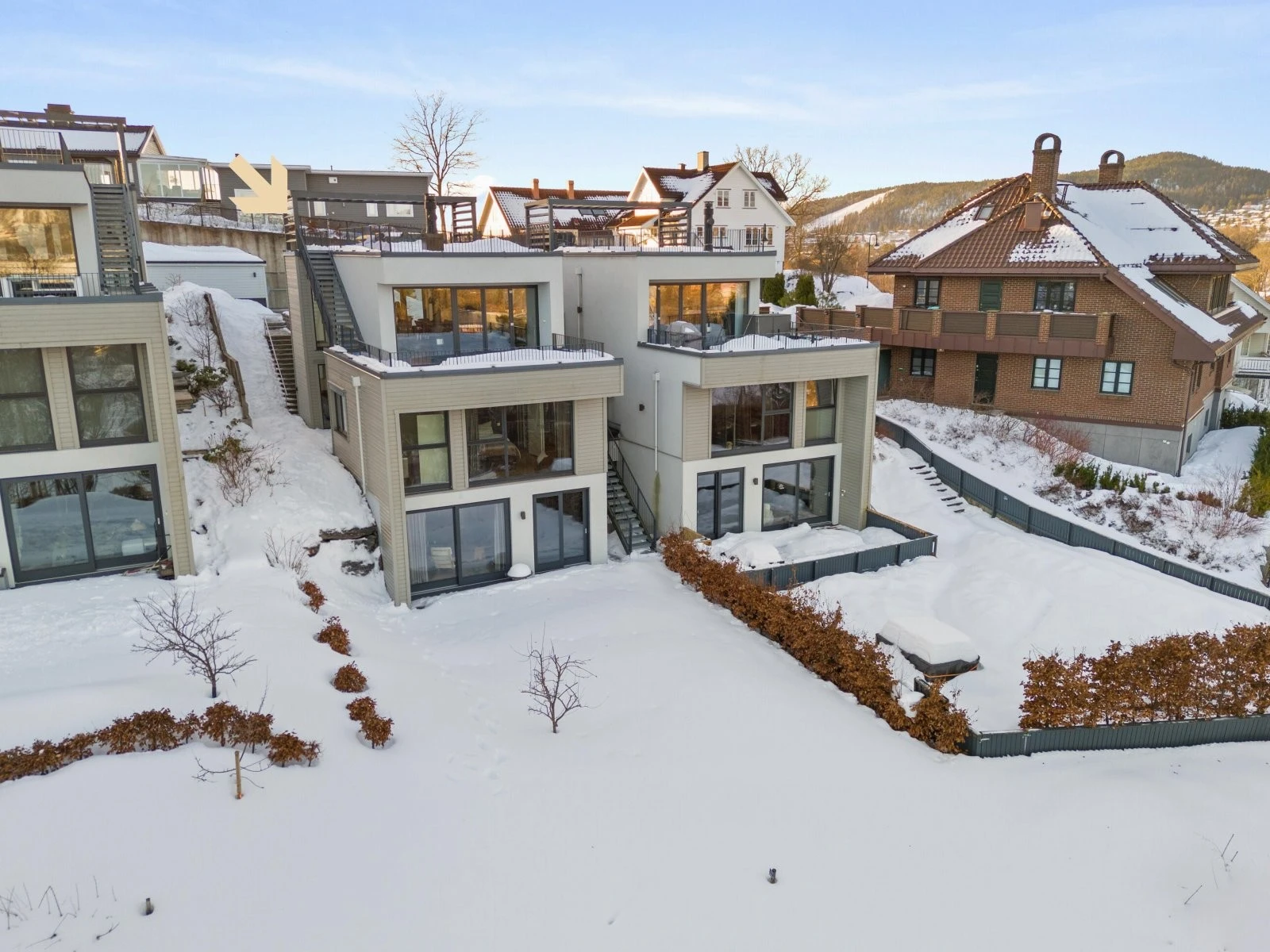
For 25 years we’ve been producing timber frame houses for Scandinavian markets — Norway, Sweden, Denmark. This experience has taught us what the Polish standard often does not require but is absolutely necessary. Here are 5 differences.
1. Insulation thickness — 200 vs 245 mm
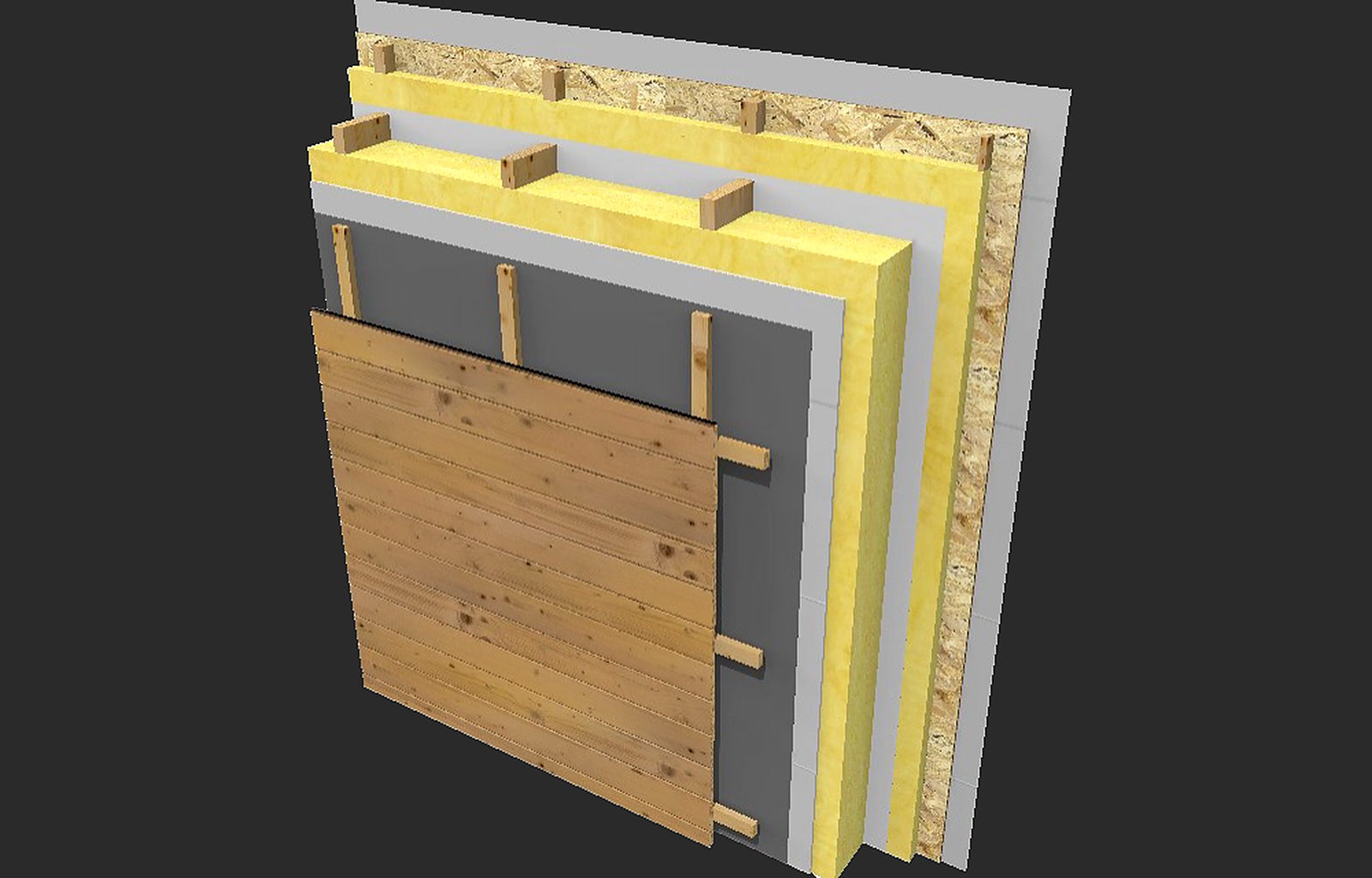
Polish standard — 150–200 mm wool. Norwegian TEK17 requires U ≤ 0.18 W/(m²K), meaning at least 235–245 mm. Wood Solutions uses 245 mm as standard for all Scandinavian markets.
2. Vapour barrier Sd > 100 m
Polish market — typically PE foil 0.2 mm with Sd ≈ 25–40 m. Scandinavian standard — premium vapour barrier with Sd ≥ 100 m + mandatory tape sealing of all joints (nails, penetrations, corners). The difference between „good“ and „perfect“.
3. Mandatory installation grid
In Polish frame construction the installation grid is often skipped as „unnecessary“ — electrics run directly through the vapour barrier. This is a mistake. Norwegian TEK17 requires it de facto (through n50 < 1.0 air-tightness requirements).
4. KVH timber instead of wholesale lumber
Polish market often uses standard wholesale lumber — 18–25% moisture, C18–C20 class. Scandinavian standard — only KVH C24 (Konstruktionsvollholz), 12–15% moisture, finger-jointed. 20–25% higher strength, no „working“ after assembly.
5. Controlled production humidity
Polish crews build frame walls on site, in any weather, with unknown moisture wood, in rain, in cold air. Scandinavian standard — factory with 18–22°C, RH 45–55%. Foil-wrapped transport. Only assembly (max 10 days) on site.
Why a Polish client should know this
Polish WT 2021 is less stringent than TEK17. Some Polish companies offer „frame houses“ at minimum standard — 200 mm wool, no grid, cheap vapour barrier. After 10 years: 30–40% higher heating, local mould, plasterboard cracks. Scandinavian standard costs 5–7% more but lasts 100+ years.